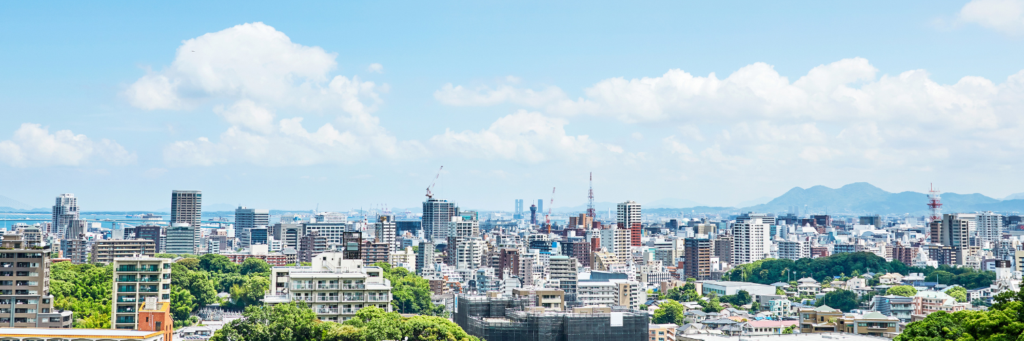
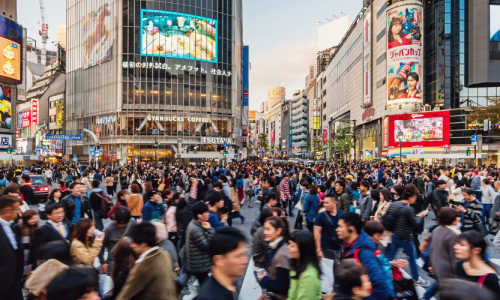
Introduction: A Market with Two Gateways
A quiet transformation is unfolding across Japan, and global founders are beginning to realize that the next big leap in their growth may come from a market once viewed as impenetrable. Foreign entrepreneurs entering Japan in 2026 increasingly choose between two rapidly evolving ecosystems. Tokyo offers scale, capital, and global connectivity, while Fukuoka provides accessibility, regulatory flexibility and a community-driven environment. Both cities represent meaningful entry points, yet each demands a different strategic posture. Understanding their dynamics clarifies why foreign startups are drawn to Japan and why partners like KizunaX are becoming essential.
Tokyo as a Global Innovation Hub
Tokyo ranks among the world’s top innovation ecosystems, generating approximately $66 billion in ecosystem value between 2021 and 2023, placing it within the global top tier. Its strengths lie in robotics, life sciences, deep tech, fintech and advanced manufacturing. As the base for Japan’s largest corporations and VC networks, Tokyo provides foreign founders with access to enterprise partnerships, R&D programs and sophisticated investor communities. Major conferences and cross-regional initiatives amplify its position as Japan’s primary gateway for global collaboration.
However, Tokyo’s opportunities come with complexity. Foreign entrepreneurs often face challenges such as long sales cycles, multi-layered corporate decision-making, and regulatory procedures for entity setup and compliance. These factors can extend the time required to gain initial traction.
Fukuoka as a Founder-Friendly Alternative
Fukuoka offers a contrasting entry path. Designated as a National Strategic Special Zone, it provides regulatory exemptions that make the market more accessible for foreign founders. The city also pioneered the Startup Visa, enabling entrepreneurs to establish operations while receiving local support.
Population growth—rare among major Japanese cities—has strengthened Fukuoka’s reputation as a youthful, international and livable environment. Its startup infrastructure is expanding rapidly through hubs like Fukuoka Growth Next, which offer mentoring, funding assistance and operational resources. A strong culture of collaboration and lower operating costs further enhance its appeal to early-stage startups prioritizing agility and community access.
In conclusion, Tokyo and Fukuoka offer two distinct strategic pathways for foreign startups in Japan:
Tokyo: Built for Scale and Global Visibility
- Positioned as Japan’s primary hub for capital, corporate partnerships and global investors
- Ideal for startups aiming for rapid scaling, enterprise clients and cross-industry collaboration
- Dense concentration of accelerators, VC funds and multinational headquarters
- Highly competitive ecosystem with fast-moving, high-expectation stakeholders
Fukuoka: Built for Early-Stage Growth and Accessibility
- Designed as an entry-friendly, founder-centric ecosystem with lower barriers
- Offers regulatory flexibility, including the Startup Visa and flexible zoning (National Strategic Special Zone)
- Easier access to local government, incubators and supportive community networks
- Less corporate-heavy, giving early-stage founders more room to experiment and iterate
How KizunaX Accelerates Market Entry
KizunaX addresses these challenges by functioning as a strategic market-entry partner for global founders. Its services focus on market validation, legal and administrative guidance, cultural coaching and curated introductions to potential partners.
In Tokyo, KizunaX helps foreign founders navigate corporate networks, refine messaging for Japanese stakeholders and secure meetings with enterprise decision makers. This improves the likelihood that early conversations translate into formal negotiations. In Fukuoka, KizunaX provides guidance on startup visa processes, regulatory incentives and local ecosystem programs. Its support reduces uncertainty for founders establishing their first operational presence in Japan and helps them integrate quickly into the business community.
In both ecosystems, KizunaX serves as a bridge between foreign founders and Japan’s relationship-centric market structure. Its assistance helps international teams avoid common missteps and accelerate expansion.
Japan’s Evolving Position in the Global Startup Landscape
Japan’s national economic strategy increasingly emphasizes innovation, entrepreneurship and foreign founder integration. Policymakers are expanding funding channels, encouraging corporate collaboration and supporting regional ecosystems such as Tokyo and Fukuoka. Foreign startups entering Japan today benefit from a market in transition and an environment that actively seeks global participation.
Founders who understand the structural differences between Tokyo and Fukuoka can match their business needs to the right ecosystem. Those who leverage local partners that understand the nuances of Japanese business culture significantly improve their likelihood of early traction and long-term market success.
Conclusion: A Dual Ecosystem with Significant Potential
Japan offers two compelling entry points for foreign startups. Tokyo provides scale, visibility and deep corporate engagement. Fukuoka offers accessibility, regulatory support, and strong community infrastructure. Both cities reflect Japan’s strategic shift toward a more global, innovation-driven economy.
KizunaX enables foreign founders to navigate these environments with confidence, offering structured support that converts interest in Japan into measurable progress. In a market where trust and cultural understanding determine long-term success, this form of strategic facilitation become increasingly essential.
Reference