
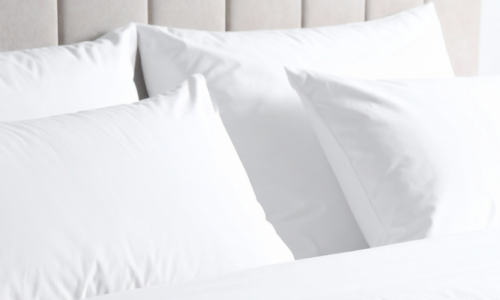
Why Sleep Tech Is Trending in Japan Executive Summary Japan’s sleep technology ecosystem is evolving from traditional bedding into a...

Japan’s sleep technology ecosystem is evolving from traditional bedding into a digitally enhanced environment shaped by AI, data analytics, and corporate health strategies. Japan’s short sleep durations and increasing awareness of sleep health have created strong interest in solutions that improve rest quality and overall wellness. Companies, researchers, and consumers are adopting technologies ranging from wearables to smart sleep platforms, while enterprises integrate sleep awareness into wellness programs and productivity strategies.
Japan continues to report some of the shortest average sleep durations among developed economies, driving national concern over the links between insufficient sleep, stress, and chronic health risks. This public health challenge has accelerated demand for technology that helps monitor and optimize sleep patterns. Employers are also incorporating sleep metrics into corporate wellness initiatives to support workforce performance and long-term employee health.
Industry research shows that Japan’s sleep technology device market is estimated to exceed USD 1.1 billion by 2026, reflecting robust consumer adoption of smart beds, wearable trackers, environmental sensors, and related products.
Japan’s broader sleep economy, which includes bedding, hospitality services, clinics, and digital wellness solutions, shows steady growth as technology becomes more integrated across health and lifestyle sectors. Interest in sleep apnea diagnostic systems is also increasing as awareness of sleep disorders rises, and diagnostic technologies continue to advance.
AI systems integrate biological and environmental data to deliver personalized insights for consumers, clinicians, and corporate wellness leaders. These analytics improve understanding of sleep behavior and provide actionable guidance for rest optimization.
Japanese consumers favor technologies that blend seamlessly into daily life. This preference has increased adoption of embedded mattress sensors, lighting adjustments, noise-control systems, and other ambient sleep-enhancing tools.
Researchers, universities, and private companies are exploring ways to combine sleep tracking with stress monitoring, activity data, and personalized recommendations. Academic partnerships and biotech research are advancing new sleep science and commercial applications.
Urban hotels have begun implementing sleep-focused rooms equipped with environmental controls, sensor-driven feedback, and personalized recommendations. These initiatives help hotels differentiate services and gather user data to improve experience design.
Companies in Japan are testing sleep wellness programs that incorporate digital tracking, coaching, and workplace adjustments to support employee focus and resilience. Early feedback from these pilot programs has encouraged further experimentation.
Universities and technology firms collaborate on AI-driven sleep models and biosensing applications. These initiatives strengthen the scientific credibility of emerging products and create new commercialization pathways.
KizunaX operates as an ecosystem and business-matching platform designed to support global small and medium-sized enterprises entering and scaling within Japan. It streamlines operational and cultural challenges for foreign companies, especially in fields like sleep technology where regulated environments, cross-industry collaboration, and relationship-centric communication play a critical role.
KizunaX assists with company registration, legal setup, and office space identification. For sleep tech firms, these services simplify the process of establishing a presence within Japan’s structured business environment.
KizunaX connects international companies with vetted Japanese distributors, retail partners, corporate wellness providers, hospitality operators, and potential investors. This helps sleep tech entrants identify suitable partners and market channels.
Through articles, seminars, bilingual support, and cultural coaching, KizunaX helps foreign founders understand Japanese business etiquette, communication expectations, and industry norms. This improves relationship building and reduces the friction often experienced by new entrants.
Japan’s sleep-tech surge reflects broader societal and economic shifts toward health optimization, workplace productivity, and aging-population solutions. As innovation moves from consumer gadgets to integrated ecosystems spanning AI, biotechnology, and corporate programs, the market is shaping into one of Asia’s most sophisticated hubs for sleep science. For global companies aiming to participate in this transformation, understanding Japan’s regulatory expectations, cultural norms, and partnership-driven business environment will be essential. Platforms such as KizunaX, which lower the barriers to entry and facilitate credible local collaboration, will play a meaningful role in enabling the next wave of international players to contribute to Japan’s evolving sleep economy
https://www.researchnester.jp/industry-reports/japan-sleep-tech-devices-market/429
https://www.rand.org/pubs/research_reports/RR1791.html
https://en.ajmedia.jp/over-40-of-workers-in-japan-sleep-less-than-6-hours-per-night-survey
Growing awareness of the links between sleep, wellness, and performance combined with advancing digital technology is driving widespread adoption.
Yes. The Japanese sleep technology device market is projected to exceed USD 1.1 billion by 2026, reflecting strong commercial demand.
Wearables, mattress sensors, environmental controls, AI analytics platforms, and mobile applications that monitor or enhance sleep.
Many Japanese companies integrate sleep tracking and analytics into wellness programs to support productivity, engagement, and employee well-being.
Sleep technology provides individualized insights and continuous monitoring that support users in understanding their sleep patterns and making informed lifestyle adjustments, similar to having ongoing guidance from a personal health advisor.
No. It simply analyzes patterns to help users understand and improve their sleep, without assigning value judgments.
Why Sleep Tech Is Trending in Japan Executive Summary Japan’s sleep technology ecosystem is evolving from traditional bedding into a...
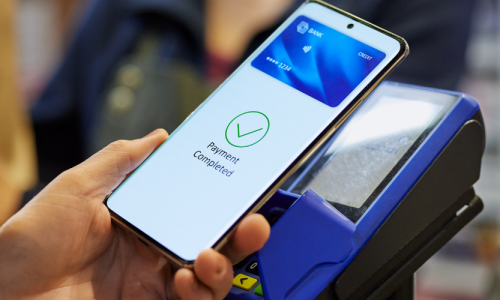
Japan’s Digital Payment Infrastructure: Verified Shifts Shaping the Next Era of Commerce Japan’s digital payment landscape is undergoing measurable change...

The Next Frontier of Customer Value Creation Redefining Loyalty Through Relationship Intelligence Artificial intelligence is transforming how global companies understand...