
Why Many Foreign Companies Fail in Japan and How kizunaX Helps Them Succeed

Why Many Foreign Companies Fail in Japan and How kizunaX Helps Them Succeed Have you ever wondered why world-class brands like Walmart or eBay couldn’t make it in Japan? It seems impossible. Japan is the world’s fourth-largest economy. It is a hub of innovation with massive consumer spending power. Yet, many global leaders find it to be a “Graveyard for Giants.” If you are planning to expand, you likely feel the weight of these stories. You might worry about complex regulations or the silent “no” of a market that feels impossible to read. The pain of failing in Japan isn’t just financial; it’s the lost opportunity of a lifetime. This article will show you exactly where others tripped up. More importantly, it introduces a new way to enter the market. You will learn how the kizunaX ecosystem replaces old, broken consulting models with a path built for success. The Top 5 Reasons Foreign Companies Fail in Japan Expanding to Japan is exciting, but the road is full of hidden traps. Most companies fail because they try to force their “global” strategy onto a very local culture. Here are the five biggest reasons they hit a wall: 1. Treating Localization as “Simple Translation” Many brands think they are ready if their website is in Japanese. But “simple translation” is a trap. Japanese users have very specific preferences for website layout and trust signals. If your site looks like a direct copy of a Western site, B2B partners may see it as unprofessional. They might feel you aren’t truly committed to the market. 2. Underestimating the “Ringi” Decision-Making Process In many Western countries, decisions are “top-down.” In Japan, it’s the opposite. The Ringi system involves building consensus across many levels. This is called Nemawashi. If you expect a fast “yes” from a single executive, you will likely be disappointed. Patience is a requirement, not an option. 3. The Regulatory “Labyrinth” The Japanese bureaucracy is famous for its complexity. Registering a company involves strict rules. For example, the Business Manager Visa has specific capital and office requirements. New updates in 2025 make these rules even more precise. Missing one small document can delay your launch by months. 4. Poor Choice in Local Partnerships Speed can be your enemy. Many foreign firms sign with the first distributor who shows interest. This often leads to a mismatch in goals. If your partner doesn’t share your long-term vision, you may lose control over your brand reputation. 5. The “Short-Term” Trap Success in Japan doesn’t happen in six months. It is a market that rewards persistence. Trust is the most valuable currency here. It is built over years of consistent presence and reliable service. If you only look at the ROI for the first year, you might quit right before the breakthrough. kizunaX :The Purpose-Built Ecosystem for Success Traditional consulting often leaves you with a “to-do” list but no one to help you do it. That is where kizunaX changes the game. It is not just a service; it is a purpose-built ecosystem designed to bridge the gap between global ambition and Japanese reality. What is kizunaX? Think of most B2B platforms as a digital phone book. You find a name, but you have no connection. kizunaX is an ecosystem. This means it is a living network of vetted partners, legal experts, and local leaders. It is built specifically for Small and Medium Enterprises (SMEs) that need more than just advice; they need a team on the ground. Navigating Setup: Beyond Company Registration Setting up a business in Japan is more than just filing papers. kizunaX simplifies the “Labyrinth.” Company Registration: We handle the heavy lifting of legal setup. Business Manager Visa: We provide expert guidance on the latest 2025 capital requirements. Compliance: We ensure your social insurance and labor contracts meet strict local laws from day one. Seamless Business Matching: The Long-Term Engine Cold calling rarely works in Japan. Business happens through introductions and established trust. kizunaX uses trust-based B2B matching. We don’t just find you any partner; we find the right partner. We look for companies whose industry, values, and goals align with yours. This turns a risky search into a strategic advantage. How kizunaX Bridges the Gap (The “kizunaX Advantage”) The secret to winning in Japan isn’t just knowing what to do. It is knowing how to do it in a way that feels natural to the local market. This is the “kizunaX Advantage.” 1. Cultural & Operational “Navigators” Communication is about more than language. It is about intent. You might say “yes” and mean “we will do it.” A Japanese partner might say “yes” and mean “I understand what you said.” kizunaX provides bilingual support that acts as your navigator. We translate your business culture so nothing is lost in the middle. We bridge the gap between Western agility and Japanese corporate structures. 2. Turnkey Market Entry Starting from scratch in Japan is expensive. Between office rent and hiring local staff, costs add up fast. kizunaX offers a turnkey solution. You get day-one setup support. You gain access to active sales representation. You share resources within the ecosystem. This reduces your overhead and allows you to focus on your product while the ecosystem handles the operations. 3. Sustainable Growth & Risk Mitigation Many companies fail during their second year. The initial excitement wears off, and the reality of slow growth sets in. This is the “second-year slump.” Because kizunaX is an ecosystem, you aren’t alone when things get tough. We provide ongoing support to help you scale. We help you adjust your strategy based on real market feedback, ensuring your growth is sustainable for the long haul. Conclusion: Future-Proofing Your Japan Strategy Japan is a rewarding market for those who adapt. Success requires moving from “Japan Market Entry” to true Market Integration. By joining the kizunaX ecosystem, you gain a partner for the long haul. You can turn complex regulations into your competitive advantage. Don’t navigate the “Graveyard for Giants” alone. Ready
Is Japan the Right Market for Your Business?
Is Japan the Right Market for Your Business? Japan is the world’s third-largest economy. Customers here are loyal, pay on time, and value high quality. For many businesses, succeeding in Japan changes everything. But it isn’t easy. You might feel stuck. The opportunity is huge, but the barriers feel higher. Language issues, complex rules, and a unique culture can make market entry feel like a gamble. You worry about wasting time and money on a strategy that doesn’t work. This guide solves that problem. We help global SMEs and founders decide if Japan is the right move. In this article, you will learn: Where the real opportunities are in Japan. The specific challenges you must overcome. How to evaluate if your business is ready. A smarter entry path using the KizunaX ecosystem. Japan is high risk, but high reward. Let’s find out if it fits your future. Understanding the Japanese Market Landscape Before you spend a single yen, you need to know exactly what you are walking into. Japan is not just “another Asian market.” It is a unique ecosystem with its own rhythm and rules. Japan’s Market Size and Industry Opportunities Japan is the world’s third-largest economy, but the real story is where the money is moving. The days of Japan only exporting cars and electronics are shifting. Today, the country is hungry for outside innovation to solve domestic problems. Key Sectors for Foreign Businesses : SaaS & Digital Transformation (DX): Japanese companies are rapidly modernizing. They need tools to automate workflows and improve efficiency. If your software solves a productivity problem, there is a market here. Healthcare & Ageing Tech: With a super-ageing society, demand for med-tech, elderly care solutions, and life sciences is higher than anywhere else on earth. Green Transformation (GX): Japan is heavily investing in sustainability, renewable energy, and decarbonization technologies to meet 2050 goals. High-End Consumer Goods: Despite economic fluctuations, Japanese consumers still pay a premium for high-quality, branded foreign goods. B2B vs. B2C Dynamics B2B (Business-to-Business): This is a marathon. Sales cycles are long because decisions are made by consensus, not by a single boss. However, once you sign a contract, Japanese companies rarely switch vendors. You gain a partner for life. B2C (Business-to-Consumer): Japanese shoppers are sophisticated and demanding. They read the fine print. Customer service must be flawless. If you treat them well, they become fierce brand advocates. What Makes Japan Unique Compared to Other Asian Markets If you have done business in China or Southeast Asia, you might expect fast deals and aggressive negotiation. Japan is the opposite. Relationships Over Transactions In many markets, a contract is just a piece of paper. In Japan, the relationship is the contract. Businesses here prioritize trust. They want to know you will be around in five or ten years. They don’t just buy your product; they buy into you. Extreme Risk Aversion This is the biggest cultural hurdle. Japanese decision-makers fear making a mistake more than they desire a quick win. They will ask for detailed case studies. They will want to see a track record (even a small one) in Japan. “Move fast and break things” does not work here. “Move deliberately and prove things” does. Quality is Non-Negotiable In Japan, 99% accuracy is considered a failure. Whether it is the packaging of a product or the response time of your support team, expectations are incredibly high. The “Good Enough” standard does not exist here. Is Japan the Right Market for Your Business? Deciding to enter Japan is a strategic bet. It shouldn’t be based on a “gut feeling.” To help you make an objective decision, we have broken this down into a simple evaluation. When Japan Is a Strong Fit If your business aligns with these three pillars, you are well-positioned for success. You Are Ready for a Long-Term Commitment Japan is a marathon, not a sprint. Building trust with partners and customers takes time, often years. If you have the capital and patience to wait 12–24 months for significant ROI, you fit the profile. Once you win a Japanese client, they are incredibly loyal, often sticking with you for decades. You Offer High-Quality or Highly Differentiated Products The Japanese market is crowded and competitive. “Me-too” products rarely survive. However, if you have a premium product, a unique technology, or a proprietary solution that Japanese competitors lack, you will find eager buyers. Note: “Quality” in Japan means more than just the product. It includes your packaging, your user manual, and the speed of your email replies. You Have a B2B, Enterprise, or Niche Focus While consumer trends change fast, the B2B sector is stable and hungry for efficiency. Solutions that help Japanese companies modernize (like SaaS, automation, or green tech) are in high demand. When Japan May Not Be the Right Fit (Yet) It is better to wait than to enter prematurely. Reconsider your timeline if you fall into these categories: You Need Fast, Low-Cost Market Testing The “Lean Startup” methodology of “launch fast, break things, and iterate” can be disastrous in Japan. Releasing a buggy beta version to “test the market” will likely permanently damage your reputation. Japanese users expect perfection from Day 1. You Lack Localization or Support Capacity If you plan to run Japan operations entirely from your HQ with Google Translate, stop now. You need native Japanese customer support and sales materials. If a customer calls at 10 AM Tokyo time and gets a voicemail in English, you have lost them. You Need Immediate Short-Term Revenue If your company is under pressure to show quick profits in Q1 or Q2 to satisfy investors, Japan is the wrong target. The sales cycle here involves building consensus. Pushing for a “hard close” too early will only scare partners away. The Biggest Challenges of Entering the Japanese Market Japan is not a “plug-and-play” market. The strategies that worked in New York or London often fail in Tokyo. To succeed, you must anticipate these three major hurdles. Regulatory and Legal
How U.S. Companies Can Succeed in Japan: A Complete Market Entry Guide Powered by KizunaX

How U.S. Companies Can Succeed in Japan: A Complete Market Entry Guide Powered by KizunaX Japan isn’t just another international market. It’s one of the world’s most stable, high-value economies where loyalty, quality, and long-term business relationships matter more than quarterly noise. For US. companies, Japan offers scale, spending power, and a customer base that rewards excellence with contracts that last decades. Yet the opportunity comes wrapped in nuance. American companies often hit the same walls:• Japan’s deliberate business culture vs. America’s speed• Regulations written in layers• The need for localized product fit• A distribution ecosystem built on trust, not trial Modern cross-border ecosystems like KizunaX exist to remove those barriers. Instead of navigating Japan alone, US. companies plug into a network of advisors, partners, talent, and operational support, compressing years of guesswork into months of disciplined execution. Japan is a market that rewards the patient, the prepared, and the culturally fluent. This guide shows how to become all three. Market Overview: Japan’s Business Landscape Economic Profile & Key Sectors Japan remains the world’s 4th largest economy, with a GDP of ~USD 4.2 trillion. It is a high-income, technology-driven nation with strong consumer purchasing power. Key sectors where U.S. companies excel:• SaaS, IT services, enterprise software• Healthcare, medtech, and biotechnology• Robotics, automation, advanced manufacturing• Food & beverage, consumer products• Sustainability, clean energy, and mobility Consumer Behavior Insights Japanese buyers are:• Quality-obsessed• Brand-loyal• Risk-averse• Research-driven• Sensitive to reputation and social proof A product that succeeds in Japan does so because it proves reliability over hype. Trends Relevant to U.S. Firms • Fast adoption of SaaS in B2B sectors• Growing appetite for U.S. food and lifestyle brands• Digital transformation across manufacturing• Increased openness to global partnerships• A shrinking workforce driving automation and HR tech demand Japan is modernizing faster than most think, but on Japanese terms. Key Challenges for U.S. Companies Entering Japan Regulatory & Compliance Hurdles Japan has strict requirements across:• Data privacy and cybersecurity• Product approvals (especially hardware & health)• Food safety & labelling• Finance, HR, and labour rules Documentation must be precise and often bilingual. Cultural & Communication Differences This is the most underestimated barrier.• Decisions take time• Consensus matters• Etiquette shapes outcomes• Communication is high-context A direct American pitch may sound aggressive; a lean American contract may be considered incomplete. Talent & HR Norms Japan’s hiring culture values:• Long-term stability• Titles• Social harmony• Local credibility Finding bilingual, bicultural talent is the difference between traction and stagnation. Distribution Complexity Japan’s distributors operate on trust. It is relationship capital, not pricing, that opens doors. Long Sales Cycles Three meetings before the real meeting.Ten months before the real handshake. This is not a bug. It’s the market. Step-by-Step Market Entry Strategy for U.S. Companies 1. Market Research & Validation Identify your real ICP in Japan, not the one you assume. Strong validation includes:• Customer interviews• Local competitor mapping• Pricing sensitivity testing• Market appetite scoring 2. Competitive Analysis Japan has domestic leaders in nearly every category. Know:• Their distribution• Their messaging• Their pricing• Their product localization Then build a strategy that respects the ecosystem you’re entering. 3. Localization The U.S. version of your product will rarely win in Japan unchanged. This includes:• Product UI/UX• Website & content• Packaging• Messaging• Service playbooks Localization equals respect. 4. Legal Setup Decide between:• Representative office• KK• GK• Branch office Each structure affects tax, liability, hiring, and bank account access. Also consider:• Intellectual property protections• Tax & withholding frameworks• Import registration and classification 5. Channel Strategy You may enter via:• Direct sales• Distributor partnerships• Joint ventures• E-commerce• Partner-led models The right channel depends on category maturity, competition, and regulatory demands. 6. Building Trust Japanese buyers evaluate:• Stability• Track record• References• Local presence• Commitment A visible in-market footprint accelerates trust dramatically. Entry Models for U.S. Companies 1. Representative Office Low risk, no revenue allowed. Ideal for early research. 2. Subsidiary (KK / GK) Full legal presence. Best for long-term commitment. 3. Joint Ventures Shared risk and shared control valuable but politically sensitive. 4. PEO/EOR Fast hiring without an entity. Good for early market testing. 5. Distributor-Led Entry Fastest entry, limited control. Pros & Cons Subsidiary = control + costDistributor = speed + dependencyJoint venture = trust + compromise The right choice depends on your growth stage, product complexity, and budget. How KizunaX Supports U.S. SMEs Entering Japan KizunaX is a cross-border business ecosystem built to simplify expansion into Japan. What KizunaX Provides Market Insights & Soft-Landing SupportReal data, real validation, real partner access. Regulatory & Compliance SupportFrom product approvals to tax structure selection. Company Setup & OperationsEntity registration, bank account assistance, accounting, HR, and visa support. B2B Partner MatchingThe KizunaX network opens doors to:• Distributors• Trading houses• Government bodies• Corporate innovation teams Bilingual Talent (via KakehashiX)Recruitment of Japanese-speaking professionals (native or non-native) who bridge U.S.–Japan communication gaps. On-the-Ground ContinuitySales operations, customer support, and partnership management. KizunaX compresses 2–3 years of struggle into 6–12 months of structured execution. Marketing & Sales Localization Value Proposition Adaptation American benefits such as “speed,” “efficiency,” and “innovation” must be reframed to emphasize:• Safety• Reliability• Track record• Respect for workflow Website & Content Localization This includes:• Japanese-language website• Local case studies• Culturally sensitive design• SEO targeting Japanese search behaviour Digital Channels in Japan Key platforms include:• Yahoo Japan• LINE• YouTube• Local trade portals• Industry-specific digital magazines Relationship Building In Japan, marketing brings awareness.Trust brings revenue. Timeline Expectations • Research: 6–10 weeks• Localization: 4–12 weeks• GTM & partner search: 3–6 months• Full launch: 6–12 months Budgeting Tips • Allocate 30% for localization• Plan for slow first-year sales• Treat year 1 as “foundation building” Case Studies / Scenarios Case: U.S. SaaS SME Enters Japan Through KizunaX A U.S. B2B SaaS firm struggled to find partners in Japan.KizunaX provided:• Feasibility study• Localization• Distributor introductions• Hiring a bilingual sales lead• Running a 6-month pilot with 3 Japanese clients Enter Japan With Strategy, Not Guesswork Japan rewards companies that respect its rhythm and understand its logic. Success requires:• Cultural fluency• Local presence• Disciplined execution• Patience KizunaX exists to
How To Build a Market Entry Plan That Wins Executive Approval in Japan
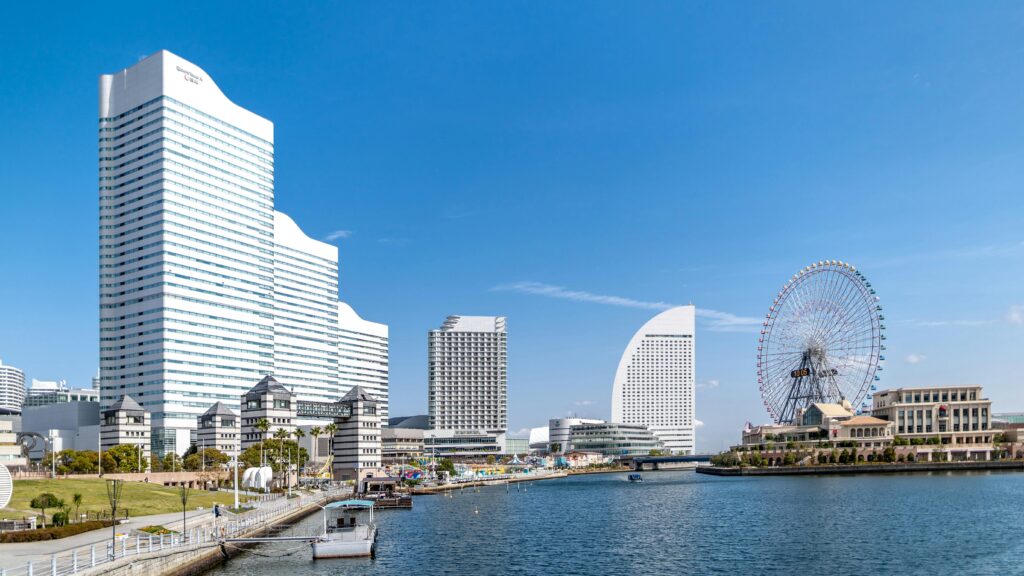
How To Build a Market Entry Plan That Wins Executive Approval in Japan Expanding into Japan can be a game-changer – it’s the world’s fourth-largest economy – but winning board-level support requires a Japan market entry plan that speaks to both opportunity and caution. Leaders will want to see a detailed, data-driven business plan for entering the Japanese market, with clear answers on risks, costs, and returns. This means not only outlining the strategic vision, but also addressing Japan’s unique business culture, decision-making style, and risk appetite. In this guide we explain how to craft a market entry plan template Japan that anticipates executive concerns and aligns with corporate goals. We cover common hurdles to executive approval of Japan market expansion, Japan-specific considerations (culture, governance, risk), a step-by-step planning framework, recommended entry models (joint ventures, distributors, subsidiaries, etc.), and persuasive tips for presenting the business case to a board. Common challenges in securing executive buy-in Securing executive approval for any international expansion is tough. For Japan in particular, boards often worry about uncertainty and unfamiliarity. They may question whether the market is truly large enough to justify investment, and how to mitigate cultural and regulatory risks. Common challenges include: Perceived Complexity: Japan’s market is famously “complex and different.” Top executives know Japan is innovation-friendly, but they may not grasp its nuances. A frequent common challenge for companies entering the Japan market is understanding these differences and then establishing an appropriate strategy to address them. Failing to explain those differences in the plan makes a board uneasy. Risk Aversion and ROI Pressure: Boards care about ROI and risks. They worry about the high cost of entry (e.g. localization, legal compliance) and about when they will see returns. Japanese projects can involve multi-year timelines (due to lengthy decision cycles and regulatory approvals), so executives need comfort that risks are hedged. Presenting a clear mitigation plan (pilot tests, local partnerships, phased rollouts) is crucial. Lack of Local Insight: An overseas expansion requires local knowledge. Executives may fear making decisions with incomplete information. If a proposal seems to treat Japan like “just another market,” executives will hesitate. Citing data on consumer behavior, legal requirements, and competition is essential to build confidence. Cultural Misalignment: Proposals must respect Japanese business culture. Boards know that failing to tailor a plan for local norms can doom a project. If a business plan ignores Japan’s emphasis on relationship-building, trust, and long-term orientation, executives won’t approve it. (As VenturesLink’s CEO, Adil Driouech notes, many foreign firms underestimate Japan’s cultural nuances.) To overcome these, a Japan market entry plan must preempt executive concerns. It should highlight Japanese-specific insights (customer needs, regulatory landscape, distribution system), show partnerships or pilots that de-risk the entry, and include case examples where possible. Use a market entry plan template for Japan that forces you to address language, regulations, and local competition. Framing the expansion as part of the company’s strategic goals (rather than a side project) also helps win buy-in. Understanding Japanese business culture and decision-making A successful Japan entry strategy must align with Japanese business culture entry strategy – in other words, adapt to how Japanese companies think and operate. Some key cultural factors are: Hierarchy and Roles: Japanese firms are typically more hierarchical and role-specific than Western companies. Research shows they have 30–40% more management layers than U.S. companies. Each manager and executive has a narrowly defined role, with clear responsibilities. In practice, this means you may find multiple layers of sign-off are needed – from local managers up to senior executives – before a decision is final. Consensus Decision-Making: Unlike a single “decider,” Japan’s corporate decision process often spreads responsibility across departments and teams. In fact, about 70% of Japanese companies use decentralized decision-making to mitigate risk. Major projects involve committees or councils where finance, legal, operations, and even mid-level managers weigh in. This consensus culture is rooted in risk aversion: spreading responsibility creates a “safety net” to avoid mistakes. The downside is that progress can be slow, as approvals move up and down multiple layers. Risk Aversion: Caution is prized in Japanese business. Executives prefer steady, proven approaches and may hesitate to gamble on untested ideas. In meetings, it’s common for no one to want to take lone credit for a risky decision; instead they seek broad agreement. To address this, your entry plan should highlight risk mitigation at every step – for example, piloting products locally, securing government certifications early, or partnering with an established Japanese firm. Long-Term Relationships: Building trust through relationships is critical. Short-term deals and hard sell tactics won’t work well. For example, Salesforce succeeded in Japan by hiring local sales leaders and prioritizing face-to-face relationship-building and long-term industry partnerships, rather than just pushing products like in the West. Show in your plan how you will invest in building relationships – perhaps through joint ventures or local hires – to align with the Japanese emphasis on trust and loyalty. Formality and Communication Style: Japanese business etiquette is formal. Silence in meetings can mean “we’re considering,” so don’t mistake it for disinterest. Provide clear, detailed documents in Japanese if possible, and be prepared for multiple Q&A rounds. Executives expect thorough proposals with facts, not just gut feelings. In summary, any entry strategy must respect how Japanese companies make decisions. One consultant summarizes: “You’ll need to identify each of the decision-making stakeholders… and tailor your proposal to align with the needs and perspectives of each individual stakeholder”. Crafting a plan that shows this understanding – for example, by mapping stakeholders and timelines – demonstrates to executives that you “get” the corporate decision-making process in Japan. Japan-specific strategic considerations Beyond culture, consider Japan’s business environment: Market Size and Competition: Japan has an affluent, tech-savvy consumer base, but also well-entrenched incumbents. Many foreign entrants find they must compete with local giants that have loyal customers. Market research is vital. Citing Japan’s market statistics (e.g. it’s the fourth-largest GDP) can frame why it’s worth pursuing, but also explain how you’ll differentiate from
Japan Office Setup, Virtual Presence, and Local Representation: What’s Best for You?

Japan Office Setup, Virtual Presence, and Local Representation: What’s Best for You? Japan rewards precision and patience. If you’re entering the Japanese market, your first structural decision; how you show up physically (or virtually), sets the tempo for everything that follows: bank accounts, visas, credibility with customers, and your timeline to revenue. This guide gives you the clear-eyed, nuts-and-bolts view of Japan office setup options, their trade-offs, and how to choose the best path for your stage. The Four Main Paths to “Being There” 1) Virtual Presence (Virtual Office in Japan) What it is: A professional registered address and mail handling, sometimes call answering and meeting room access—without leasing physical space full-time. Best for: Market exploration and early entering-the-Japanese-market programs Low overhead; quick credibility boost on cards and websites Founders who travel in/out and don’t need permanent desks What you can do: Use a Japanese address (good optics) Receive mail and packages; book meeting rooms ad-hoc Pair with local representation in Japan for in-person meetings Limitations: Some banks/government processes prefer or require a real office lease Won’t replace an entity if you need to hire employees, issue invoices locally, or sign regulated contracts Who chooses this: Companies validating demand, building pipelines, and preparing for Japan company registration with virtual address as a stopgap. 2) Representative Office (調査事務所) What it is: A non-revenue presence for market research, liaison, and sourcing. Not a legal entity that conducts business. Best for: Running research, supplier vetting, and establishing-a-business-in-Japan groundwork Hosting meetings, collecting information, coordinating with HQ What you can’t do: No sales, no invoicing, no revenue-generating activities Typically can’t sign sales contracts on behalf of HQ Pros: Low compliance risk and operating cost Good for extended due diligence before you commit Cons: Limited commercial activity; you’ll need to convert to a branch or subsidiary to transact Important nuance: The difference between representative office and subsidiary in Japan is night and day: a rep office is a listening post; a subsidiary is a selling body. 3) Branch Office (支店) What it is: Japan location of your foreign company. You transact in Japan, but legally it’s still the foreign entity. Best for: Faster route to local sales under the foreign company’s umbrella Businesses with clear HQ control and near-term revenue Pros: Quicker to establish than a subsidiary in many cases Can invoice locally; more credibility than a rep office Cons: Some customers prefer contracting with a Japanese incorporated entity (credibility, risk, procurement policies) Certain licenses and banking relationships can be harder under a branch Liability and taxation can be less clean than with a subsidiary Choose this if: You want to sell now, maintain centralized governance, and accept that some large clients or sectors may still insist on a local company. 4) Subsidiary (GK or KK) What it is: A Japanese legal entity you own—either GK (合同会社) similar to an LLC, or KK (株式会社) akin to a joint-stock corporation. Best for: Long-term Japan growth, hiring, enterprise sales, regulated sectors Clean contracting, local procurement registration, brand credibility Pros: Highest market acceptance and trust Clear liability ring-fencing and Japanese legal entity options for governance Easier access to some licenses, government programs, and enterprise procurement Cons: Higher setup effort and running costs vs. branch or rep office Requires ongoing corporate governance and filings GK vs KK in one breath: GK = faster, simpler, cost-efficient; great for SMEs and startups. KK = traditional, highly credible, better for fundraising or signaling scale. Comparison at a Glance Aspect Virtual Office Services Representative Office Branch Office Subsidiary (GK / KK) Address/Presence ✔ Address; meeting rooms ad-hoc ✔ Office allowed ✔ Full presence ✔ Full presence Can Sell/Invoice ✖ ✖ ✔ ✔ Bank Account Sometimes difficult with virtual-only Possible hurdles ✔ More feasible ✔ Standard Hiring Staff ✖ (without entity) Limited/indirect ✔ (via branch) ✔ Which One Fits Your Stage? A Simple Decision Framework Are you validating product–market fit? → Virtual office in Japan + local meeting support OR Representative Office. Do you already have interested Japanese buyers? → Branch Office if you want speed and central control. Do you target enterprise, hiring, or regulated sectors? → Subsidiary (GK/KK) for credibility, licensing, and procurement ease. Unsure? → Start virtual, build pipeline, then convert to GK; upgrade to KK when perception/fundraising demands it. Local Representation in Japan: The Hidden Multiplier Regardless of the structure, local representation in Japan changes outcomes. Introductions beat cold outreach, bilingual precision matters, and on-the-ground admin accelerates everything. Even with a virtual presence, appoint a local representative who can host meetings, handle documents, and keep the process moving. Japan Company Registration with Virtual Address: Can You Do It? Sometimes—especially for a GK. However, banks and certain permits often expect a real office lease. A practical approach is to incorporate with virtual office services, then add a modest physical office to smooth banking and hiring when you’re ready. Representative Office vs Subsidiary in Japan (The Real-World Difference) Representative Office: research/liaison, no revenue, lightweight compliance—good for 6–18 months of groundwork. Subsidiary (GK/KK): full operations—contract, invoice, hire, and scale. Stronger credibility with partners, banks, and regulators. Banking, Seals, and Paper: What Still Matters – Bank accounts: expect interviews and documentation; Japanese address and local presence help. – Seals (inkan/hanko) & e-seals: still relevant; increasingly digital, but don’t assume. – Bilingual documentation: keep JP/EN versions of bylaws, contracts, policies. Precision = respect. Hiring and Visas (Quick Note) If leadership will manage in Japan, explore appropriate visas and office requirements. If hiring locally, prepare for social insurance, labor rules, and payroll compliance. Cost & Timeline Reality Virtual office: fastest setup; lowest cost. Representative Office: low cost, quick. Branch: moderate setup; faster to transact than a subsidiary. Subsidiary (GK/KK): weeks, not days—but most future-proof. Governance & Risk You Shouldn’t Ignore – Data & security: align with Japanese privacy and sector standards. – Sector licensing: food, med-tech, fintech, construction, import/export—plan early. – Contracts: bilingual templates governed by Japanese law where appropriate. – Tax posture: branch vs subsidiary has different implications; align cross-border tax advisors. Example Playbooks (Choose
Starting a Business in Japan: Your Definitive Guide
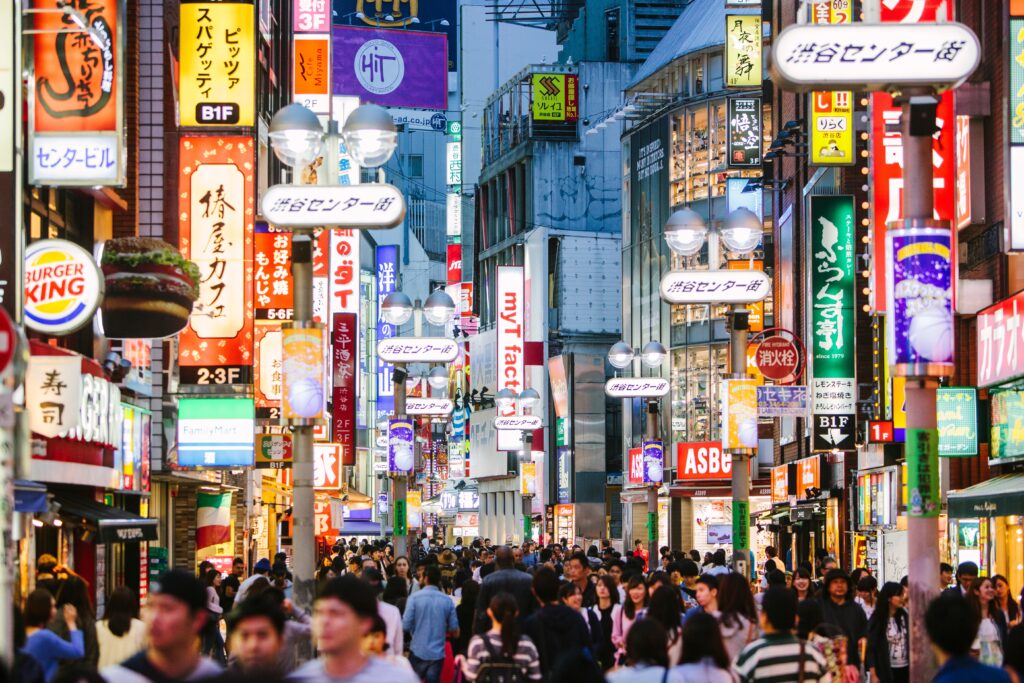
Starting a Business in Japan: Your Definitive Guide If you’re considering starting a business in Japan, you’re making a wise choice. Japan has a stable economy, strong legal protections, excellent infrastructure, and a reputation for quality. But it’s also a market where regulation, culture, and procedure matter. Getting it right from the beginning saves time, money, and headaches. Below is a detailed, step-by-step roadmap for business registration in Japan: how to start, what “company structure” works best, what you’ll pay, and how corporate tax and foreign investment regulations come into play. Types of Company Structure in Japan Before you register, decide which legal form your business will take. The structure determines liability, tax treatment, management requirements, and setup complexity. Here are the main ones: Structure Japanese Term Key Traits Kabushiki Kaisha (KK) 株式会社 The traditional “joint-stock company” — similar to a corporation. It allows issuing shares, high credibility, ideal for raising investment. Requires more formal process (articles, notarization, etc.). Gōdō Kaisha (GK) 合同会社 Similar to a limited liability company (LLC). Easier to set up, less formal, fewer ceremonial requirements. Often preferred by smaller businesses or startups. Branch Office / Representative Office 支店 (Branch) / 駐在員事務所 If you’re an overseas company establishing a presence without creating a separate entity. A branch office can carry out business (but may be taxed differently); a representative office cannot engage in profit-making activities. In most cases for foreign SMEs planning full operations, issuing contracts, hiring staff, etc., setting up a KK or GK is preferred over merely using a branch or representative office. Foreign Investment Regulations & Visa Requirements Foreigners can own 100% of most types of companies in Japan. There are, however, some regulatory and visa-related requirements to keep in mind. Foreign Investment Reporting & Screening: Japan has rules under the Foreign Exchange and Foreign Trade Act. In certain sectors (especially those sensitive for national security, infrastructure, etc.), foreign investment thresholds may trigger screening. Business Manager Visa: If you or someone overseas will run the business in Japan, the Business Manager Visa (or equivalent) is often required. Outcomes depend on paid-in capital, a viable business plan, having an office, sometimes employing staff. This means while technically you can register a company with very little capital, if you want to live and work in Japan on such a visa, your capital and setup must meet stricter thresholds. Timeline: Step-By-Step Company Registration in Japan Here’s what to expect when you proceed from scratch. If you follow this sequence properly, the company registration timeline is usually 2-4 weeks, though complications (visa, real estate, licensing) can extend it. Step What You Do Who’s Involved / Documents Needed Step 1: Decide on structure & name Choose KK or GK (or branch). Pick company name (in Japanese and/or English), define purpose, head office location. Founders / shareholders. You may need consulting or legal support. Step 2: Prepare Articles of Incorporation (定款, Teikan) This includes business objectives, address, capital amount, shareholder & director info, share allocations. If KK, these often require notarization. GK is simpler. Judicial scrivener or notary public. Documents largely in Japanese. Step 3: Create your company seal (Inkan or Hanko) A legally required corporate stamp, plus seal registration. Many documents in Japan require corporate seal. Paid seal maker + legal affairs bureau registration. Step 4: Deposit initial capital You open a bank account, deposit the capital under the name of the representative. Even if legal minimum is very low, visa rules may set higher requirements. Step 5: Submit registration to Legal Affairs Bureau (Homukyoku) Include notarized Articles (for KK), proof of capital deposit, seal registration form, director appointment documents, address proof, etc. Legal Affairs Bureau of the prefecture where your head office is located. Step 6: Register for taxes / social insurance Once your company is legally registered, you must notify the local tax office about corporate income tax, consumption tax (if revenue threshold exceeded), payroll tax, and register with social insurance if hiring employees. Step 7: Open corporate bank account With your registration certificate, seal certificate, etc. Some banks require additional background details, business plan, or proof of visa status. Bank of your choice (domestic or branch of foreign bank). Step 8: Obtain required licenses / permits Depending on your industry (food & beverage, pharmaceuticals, finance, construction, import/export), you may need special licenses. Start early. Local regulatory bodies, ministries relevant to your industry. Registration Costs and Minimum Capital Understanding costs is crucial. There are two kinds: legal/administrative fees and ongoing costs for setup, visa, and operations. Item Typical Cost / Amount Registration fees (Legal Affairs Bureau) KK: approx ¥150,000 minimum, or 0.7% of capital (whichever is higher). GK: approx ¥60,000 minimum. Notarization (KK only) Usually around ¥50,000 for Articles of Incorporation notarization. GK doesn’t require this. Seal (Inkan/Hanko) costs Machine-carved seals might cost ¥5,000-¥20,000, depending on style and quality. Minimum capital Legally, you can start with very low capital (even ¥1), but in practice, especially for visa/business purposes, ¥5,000,000 is a benchmark. Additional setup costs Office rent, professional service fees (legal, accounting, translation), visa application fees, etc. In Tokyo, securing office space can be costly. Corporate Taxation in Japan Knowing how Japan taxes companies is essential when doing financial planning. The actual rates depend on your company’s capital, taxable income, location, and whether you are domestic or foreign-owned. Standard corporate tax rate: ~ 23.2% for companies with taxable income exceeding ¥8 million. Reduced rate for SMEs on income up to ~¥8 million: around 15%. Local taxes: Inhabitants tax, enterprise tax, special local taxes. These can push your effective combined rate into the 30-35% range depending on size, capital, and location (Tokyo tends to be higher). Tax on foreign companies: If a foreign company has a “permanent establishment” (PE) in Japan, it generally pays corporate tax only on Japan-source income attributable to that PE. If it registers a subsidiary in Japan, that entity is taxed similarly to domestic corporations. Register a Branch vs a Subsidiary If you’re a foreign business, one big decision is whether
From Pop-Up to Permanent: How Foreign Brands Use Temporary Retail to Test Japan’s Market

From Pop-Up to Permanent: How Foreign Brands Use Temporary Retail to Test Japan’s Market Pop-up retail has become a strategic tool for foreign brands entering Japan. These temporary activations allow companies to test demand, gather feedback, and build brand awareness before committing to full-scale entry. Consumer Appeal Japanese consumers are drawn to novelty and exclusivity. Pop-ups offer a sense of urgency and discovery, especially when tied to seasonal themes or limited-edition products. Locations in Tokyo’s Shibuya, Ginza, and Harajuku attract trend-conscious shoppers. Design Considerations Design is critical. Pop-up spaces should reflect Japanese aesthetics—clean, harmonious, and immersive. Incorporating cultural elements like tatami mats, calligraphy, or seasonal motifs enhances appeal. Staff should be trained in omotenashi to deliver exceptional service. Data Collection Data collection is a key benefit. Brands can use QR codes, surveys, and social media engagement to gather insights on preferences, pricing, and messaging. This informs future product development and marketing strategies. Successful Examples Successful examples include Glossier’s Tokyo pop-up, which sold out daily and generated buzz across Instagram. Nike’s Shibuya activation featured local artists and exclusive merchandise, building cultural relevance and loyalty. PR and Collaboration Opportunities Pop-ups also serve as PR opportunities. Media coverage, influencer visits, and user-generated content amplify reach. Collaborations with local designers or cafes create cross-promotional value. Conclusion In conclusion, pop-up retail is a low-risk, high-impact strategy for foreign brands in Japan. It enables market validation, brand storytelling, and consumer engagement—laying the groundwork for permanent success. Others Insight Article Japan Office Setup, Virtual Presence, and Local Representation: What’s Best for You? Japan Office Setup, Virtual Presence, and Local Representation: What’s Best for You? Japan rewards precision and patience. If you’re entering… Read More Starting a Business in Japan: Your Definitive Guide Starting a Business in Japan: Your Definitive Guide If you’re considering starting a business in Japan, you’re making a wise… Read More From Pop-Up to Permanent: How Foreign Brands Use Temporary Retail to Test Japan’s Market From Pop-Up to Permanent: How Foreign Brands Use Temporary Retail to Test Japan’s Market Pop-up retail has become a strategic… Read More Japan’s Regulatory Landscape for Foreign SMEs: A Step-by-Step Compliance Guide Japan’s Regulatory Landscape for Foreign SMEs: A Step-by-Step Compliance Guide Entering the Japanese market requires navigating a complex regulatory environment…. Read More Understanding Japan’s Consumer Psychology: Why Minimalism, Quality, and Seasonal Relevance Matter Understanding Japan’s Consumer Psychology: Why Minimalism, Quality, and Seasonal Relevance Matter Introduction Japanese consumer behavior is shaped by cultural values… Read More How to Navigate Japan’s E-Commerce Landscape as a Foreign Brand How to Navigate Japan’s E-Commerce Landscape as a Foreign Brand Introduction Japan’s e-commerce market is one of the most advanced… Read More The Role of Trust in Japanese B2B Relationships: What Foreign Companies Must Understand The Role of Trust in Japanese B2B Relationships: What Foreign Companies Must Understand Japan’s business culture is built on trust,… Read More Winning Japanese Consumers: What Global Brands Get Right (and Wrong) Winning Japanese Consumers: What Global Brands Get Right (and Wrong) Introduction Japan is one of the most sophisticated consumer markets… Read More Why Most SMEs Fail in Japan and How to Succeed with the Right Strategy Why Most SMEs Fail in Japan and How to Succeed with the Right Strategy Introduction: The Allure of Japan Japan… Read More
Japan’s Regulatory Landscape for Foreign SMEs: A Step-by-Step Compliance Guide
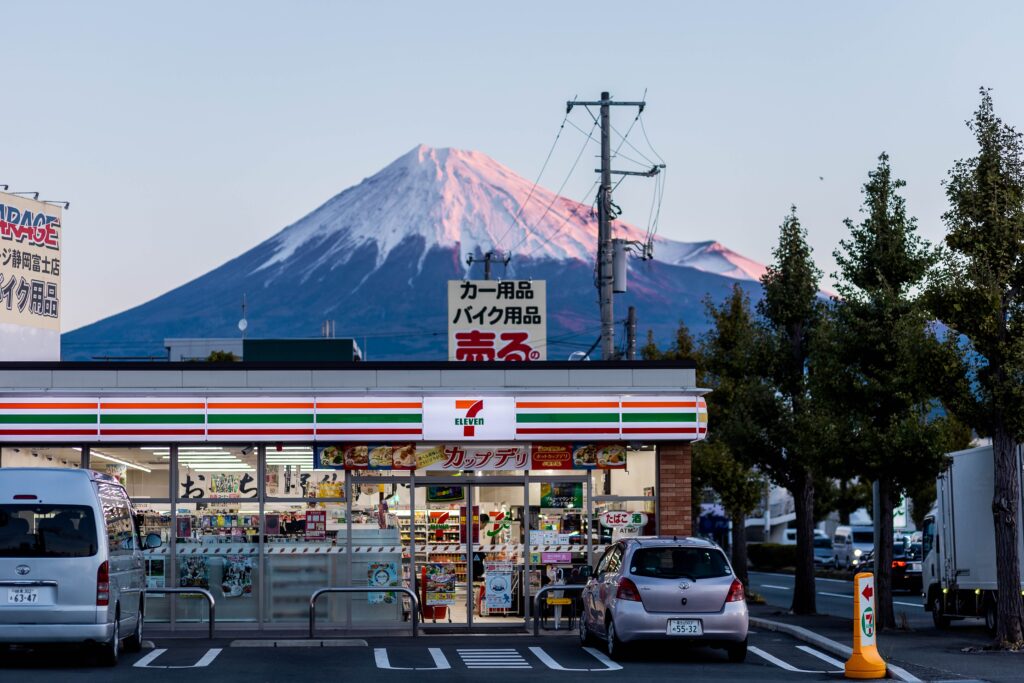
Japan’s Regulatory Landscape for Foreign SMEs: A Step-by-Step Compliance Guide Entering the Japanese market requires navigating a complex regulatory environment. For foreign SMEs, understanding legal requirements, certifications, and compliance processes is essential for smooth market entry. Business Incorporation Options Business incorporation options include Kabushiki Kaisha (KK), Godo Kaisha (GK), and branch offices. KK is preferred for credibility, while GK offers flexibility. Registration involves notarized articles of incorporation, a local address, and a resident director. Product Certification Product certification varies by industry. Food products require approval from the Ministry of Health, Labor and Welfare. Cosmetics must comply with the Pharmaceutical Affairs Law. Electronics need PSE certification. Labeling must be in Japanese and meet local standards. Taxation Taxation includes consumption tax (10%), corporate tax (23.2%), and local enterprise taxes. SMEs must maintain accurate accounting records and file annual returns. Hiring a local accountant or tax advisor is recommended. Labor Laws Labor laws mandate employment contracts, working hour limits, and social insurance enrollment. Foreign companies must understand rules around overtime, paid leave, and termination procedures. Compliance ensures employee satisfaction and legal protection. Visa and Immigration Visa and immigration considerations include the Business Manager Visa and Startup Visa. These require a business plan, office space, and financial investment. Partnering with local advisors helps streamline the process. Conclusion In summary, Japan’s regulatory landscape is detailed but manageable with proper planning. Foreign SMEs should seek legal counsel, understand industry-specific rules, and prioritize compliance to establish a strong foundation for growth. Others Insight Article Japan Office Setup, Virtual Presence, and Local Representation: What’s Best for You? Japan Office Setup, Virtual Presence, and Local Representation: What’s Best for You? Japan rewards precision and patience. If you’re entering… Read More Starting a Business in Japan: Your Definitive Guide Starting a Business in Japan: Your Definitive Guide If you’re considering starting a business in Japan, you’re making a wise… Read More From Pop-Up to Permanent: How Foreign Brands Use Temporary Retail to Test Japan’s Market From Pop-Up to Permanent: How Foreign Brands Use Temporary Retail to Test Japan’s Market Pop-up retail has become a strategic… Read More Japan’s Regulatory Landscape for Foreign SMEs: A Step-by-Step Compliance Guide Japan’s Regulatory Landscape for Foreign SMEs: A Step-by-Step Compliance Guide Entering the Japanese market requires navigating a complex regulatory environment…. Read More Understanding Japan’s Consumer Psychology: Why Minimalism, Quality, and Seasonal Relevance Matter Understanding Japan’s Consumer Psychology: Why Minimalism, Quality, and Seasonal Relevance Matter Introduction Japanese consumer behavior is shaped by cultural values… Read More How to Navigate Japan’s E-Commerce Landscape as a Foreign Brand How to Navigate Japan’s E-Commerce Landscape as a Foreign Brand Introduction Japan’s e-commerce market is one of the most advanced… Read More The Role of Trust in Japanese B2B Relationships: What Foreign Companies Must Understand The Role of Trust in Japanese B2B Relationships: What Foreign Companies Must Understand Japan’s business culture is built on trust,… Read More Winning Japanese Consumers: What Global Brands Get Right (and Wrong) Winning Japanese Consumers: What Global Brands Get Right (and Wrong) Introduction Japan is one of the most sophisticated consumer markets… Read More Why Most SMEs Fail in Japan and How to Succeed with the Right Strategy Why Most SMEs Fail in Japan and How to Succeed with the Right Strategy Introduction: The Allure of Japan Japan… Read More
Understanding Japan’s Consumer Psychology: Why Minimalism, Quality, and Seasonal Relevance Matter
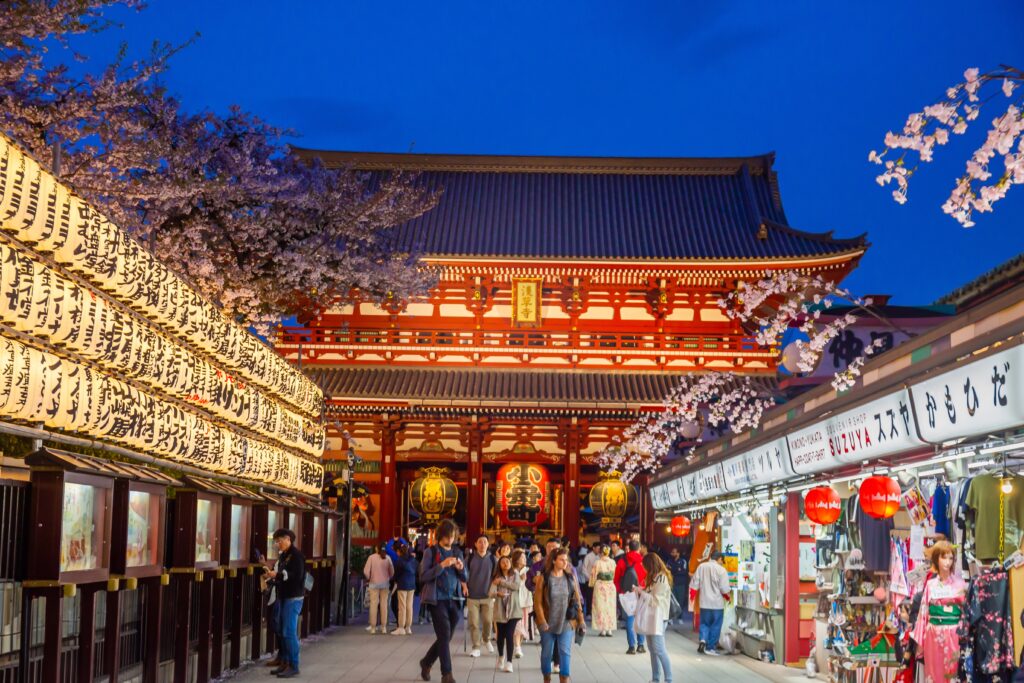
Understanding Japan’s Consumer Psychology: Why Minimalism, Quality, and Seasonal Relevance Matter Introduction Japanese consumer behavior is shaped by cultural values that emphasize simplicity, quality, and emotional resonance. For foreign brands, understanding these psychological drivers is key to market success. Minimalism Minimalism is a core aesthetic in Japan, influenced by concepts like wabi-sabi (beauty in imperfection) and ma (space and balance). Products and packaging that reflect clean design, subtle colors, and thoughtful presentation appeal to Japanese consumers. Quality Quality is non-negotiable. “Made in Japan” is synonymous with excellence, and foreign brands must meet or exceed these standards. Durability Craftsmanship Attention to detail Even low-cost items are expected to perform reliably. Seasonal Relevance Seasonal relevance is another important factor. Japan celebrates seasons through festivals, foods, and product releases. Brands that offer limited-edition items tied to cherry blossom season, New Year, or autumn foliage resonate deeply. This creates urgency and emotional connection. Omotenashi (Hospitality) Omotenashi, the spirit of hospitality, influences service expectations. Consumers expect: Respectful interactions Attentive service Personalized experiences Brands that deliver exceptional customer service build loyalty and trust. Social Proof Social proof is critical. Japanese consumers rely on: Reviews Influencer endorsements Word-of-mouth Building credibility through testimonials and user-generated content enhances brand perception. Conclusion In conclusion, Japanese consumer psychology is rooted in cultural values that prioritize aesthetics, quality, and emotional engagement. Foreign brands must align with these expectations to build lasting relationships and drive success in Japan. Others Insight Article Japan Office Setup, Virtual Presence, and Local Representation: What’s Best for You? Japan Office Setup, Virtual Presence, and Local Representation: What’s Best for You? Japan rewards precision and patience. If you’re entering… Read More Starting a Business in Japan: Your Definitive Guide Starting a Business in Japan: Your Definitive Guide If you’re considering starting a business in Japan, you’re making a wise… Read More From Pop-Up to Permanent: How Foreign Brands Use Temporary Retail to Test Japan’s Market From Pop-Up to Permanent: How Foreign Brands Use Temporary Retail to Test Japan’s Market Pop-up retail has become a strategic… Read More Japan’s Regulatory Landscape for Foreign SMEs: A Step-by-Step Compliance Guide Japan’s Regulatory Landscape for Foreign SMEs: A Step-by-Step Compliance Guide Entering the Japanese market requires navigating a complex regulatory environment…. Read More Understanding Japan’s Consumer Psychology: Why Minimalism, Quality, and Seasonal Relevance Matter Understanding Japan’s Consumer Psychology: Why Minimalism, Quality, and Seasonal Relevance Matter Introduction Japanese consumer behavior is shaped by cultural values… Read More How to Navigate Japan’s E-Commerce Landscape as a Foreign Brand How to Navigate Japan’s E-Commerce Landscape as a Foreign Brand Introduction Japan’s e-commerce market is one of the most advanced… Read More The Role of Trust in Japanese B2B Relationships: What Foreign Companies Must Understand The Role of Trust in Japanese B2B Relationships: What Foreign Companies Must Understand Japan’s business culture is built on trust,… Read More Winning Japanese Consumers: What Global Brands Get Right (and Wrong) Winning Japanese Consumers: What Global Brands Get Right (and Wrong) Introduction Japan is one of the most sophisticated consumer markets… Read More Why Most SMEs Fail in Japan and How to Succeed with the Right Strategy Why Most SMEs Fail in Japan and How to Succeed with the Right Strategy Introduction: The Allure of Japan Japan… Read More
How to Navigate Japan’s E-Commerce Landscape as a Foreign Brand

How to Navigate Japan’s E-Commerce Landscape as a Foreign Brand Introduction Japan’s e-commerce market is one of the most advanced in the world, with high mobile penetration, sophisticated logistics, and discerning consumers. For foreign brands, entering this space requires strategic planning and localization. Top Platforms The top platforms include Rakuten, Amazon Japan, and Yahoo Shopping. Rakuten emphasizes loyalty programs and merchant branding. Amazon Japan offers streamlined logistics and broad reach. Yahoo Shopping caters to niche audiences and integrates with PayPay for mobile payments. Consumer Behavior Japanese consumers value trust, quality, and convenience. Reviews, ratings, and social proof play a significant role in purchasing decisions. Mobile-first design, fast delivery, and responsive customer service are expected. Localization Localization is critical. Product descriptions must be in Japanese. Payment options should include local methods like Konbini and PayPay. Packaging should reflect Japanese aesthetics—minimalist, clean, and often seasonal. Logistics Logistics can be complex. Partnering with local fulfillment providers or using platform-integrated solutions ensures timely delivery and returns management. Understanding regional preferences and holidays also helps optimize inventory and promotions. Marketing Strategies Marketing strategies should include: SEO in Japanese Influencer collaborations Participation in seasonal campaigns like White Day or Obon Brands that engage with consumers through LINE, Instagram, and YouTube build stronger connections. Conclusion In summary, Japan’s e-commerce landscape offers immense potential for foreign brands. Success depends on platform selection, deep localization, and a commitment to quality and service that meets Japanese expectations. Others Insight Article Japan Office Setup, Virtual Presence, and Local Representation: What’s Best for You? Japan Office Setup, Virtual Presence, and Local Representation: What’s Best for You? Japan rewards precision and patience. If you’re entering… Read More Starting a Business in Japan: Your Definitive Guide Starting a Business in Japan: Your Definitive Guide If you’re considering starting a business in Japan, you’re making a wise… Read More From Pop-Up to Permanent: How Foreign Brands Use Temporary Retail to Test Japan’s Market From Pop-Up to Permanent: How Foreign Brands Use Temporary Retail to Test Japan’s Market Pop-up retail has become a strategic… Read More Japan’s Regulatory Landscape for Foreign SMEs: A Step-by-Step Compliance Guide Japan’s Regulatory Landscape for Foreign SMEs: A Step-by-Step Compliance Guide Entering the Japanese market requires navigating a complex regulatory environment…. Read More Understanding Japan’s Consumer Psychology: Why Minimalism, Quality, and Seasonal Relevance Matter Understanding Japan’s Consumer Psychology: Why Minimalism, Quality, and Seasonal Relevance Matter Introduction Japanese consumer behavior is shaped by cultural values… Read More How to Navigate Japan’s E-Commerce Landscape as a Foreign Brand How to Navigate Japan’s E-Commerce Landscape as a Foreign Brand Introduction Japan’s e-commerce market is one of the most advanced… Read More The Role of Trust in Japanese B2B Relationships: What Foreign Companies Must Understand The Role of Trust in Japanese B2B Relationships: What Foreign Companies Must Understand Japan’s business culture is built on trust,… Read More Winning Japanese Consumers: What Global Brands Get Right (and Wrong) Winning Japanese Consumers: What Global Brands Get Right (and Wrong) Introduction Japan is one of the most sophisticated consumer markets… Read More Why Most SMEs Fail in Japan and How to Succeed with the Right Strategy Why Most SMEs Fail in Japan and How to Succeed with the Right Strategy Introduction: The Allure of Japan Japan… Read More